
Why Your Hair Looks Thin: The Real Causes of Thinning Hair and What to Do About It
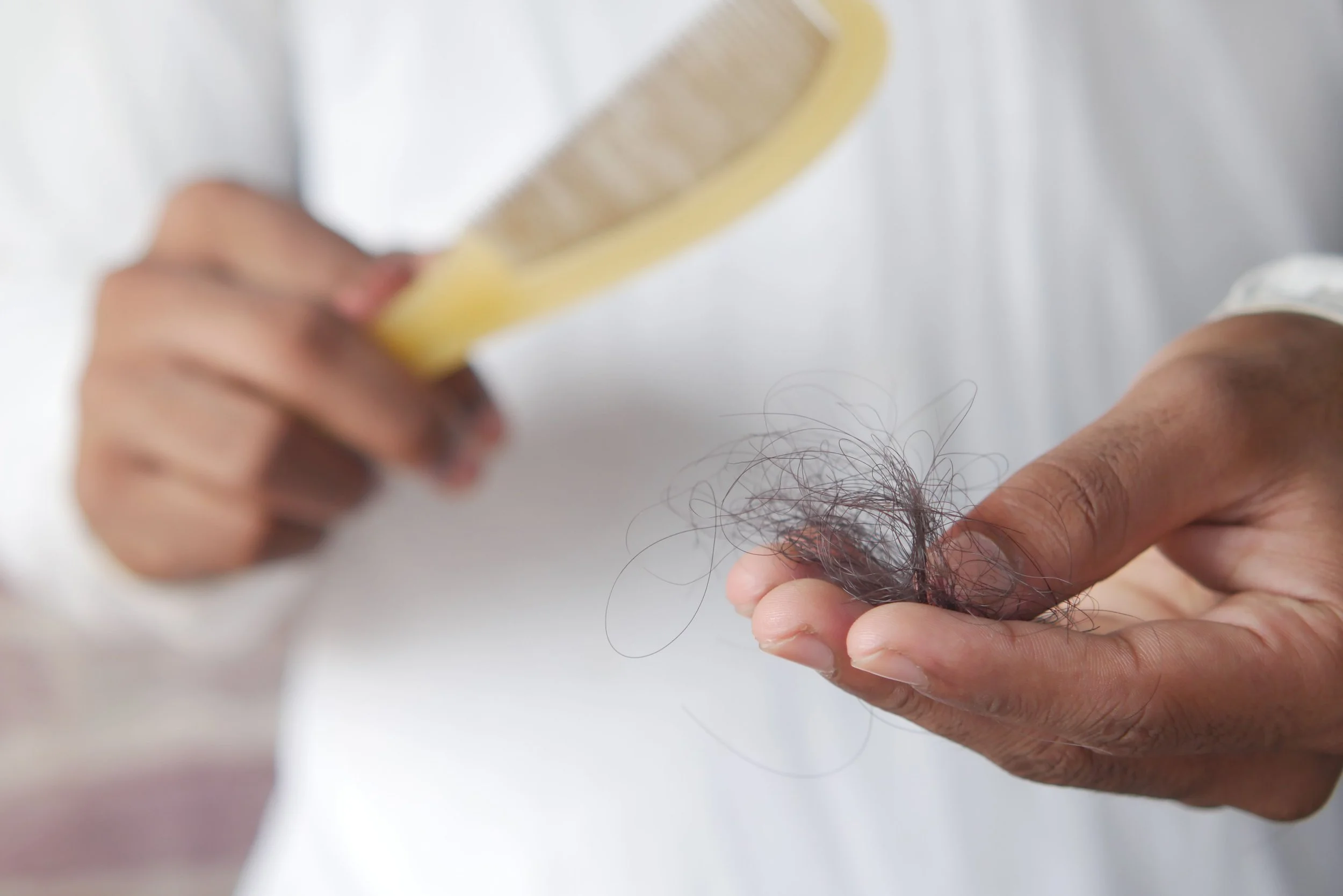
More strands on your brush than usual? Trust us, you are not alone. On average losing 50 to 100 hairs daily is completely normal. But when something feels off, knowing what thinning hair actually looks like and why it's happening changes everything.
This is your guide to spotting the early signs, understanding the real causes behind hair loss, thinning, and discovering the solutions that genuinely work. Let's get into it!
How to Tell If Hair Is Thinning: Early Warning Signs
Hair thinning doesn't show up all at once. It sneaks in quietly through small shifts you might brush off as nothing. Here's what to actually watch for.
Changes in your ponytail thickness
Your ponytail holds more information than you think. Each time you wrap that hair tie, pay attention. Needing an extra loop isn't just about stretched elastic it's your hair telling you something. A ponytail circumference of 4 or more inches signals healthy density, while 2 inches or less points to lower density and possible thinning. Snap a monthly photo from the same angle and same lighting. What feels sudden has usually been building slowly, photos keep you honest.
Scalp becoming more visible under light
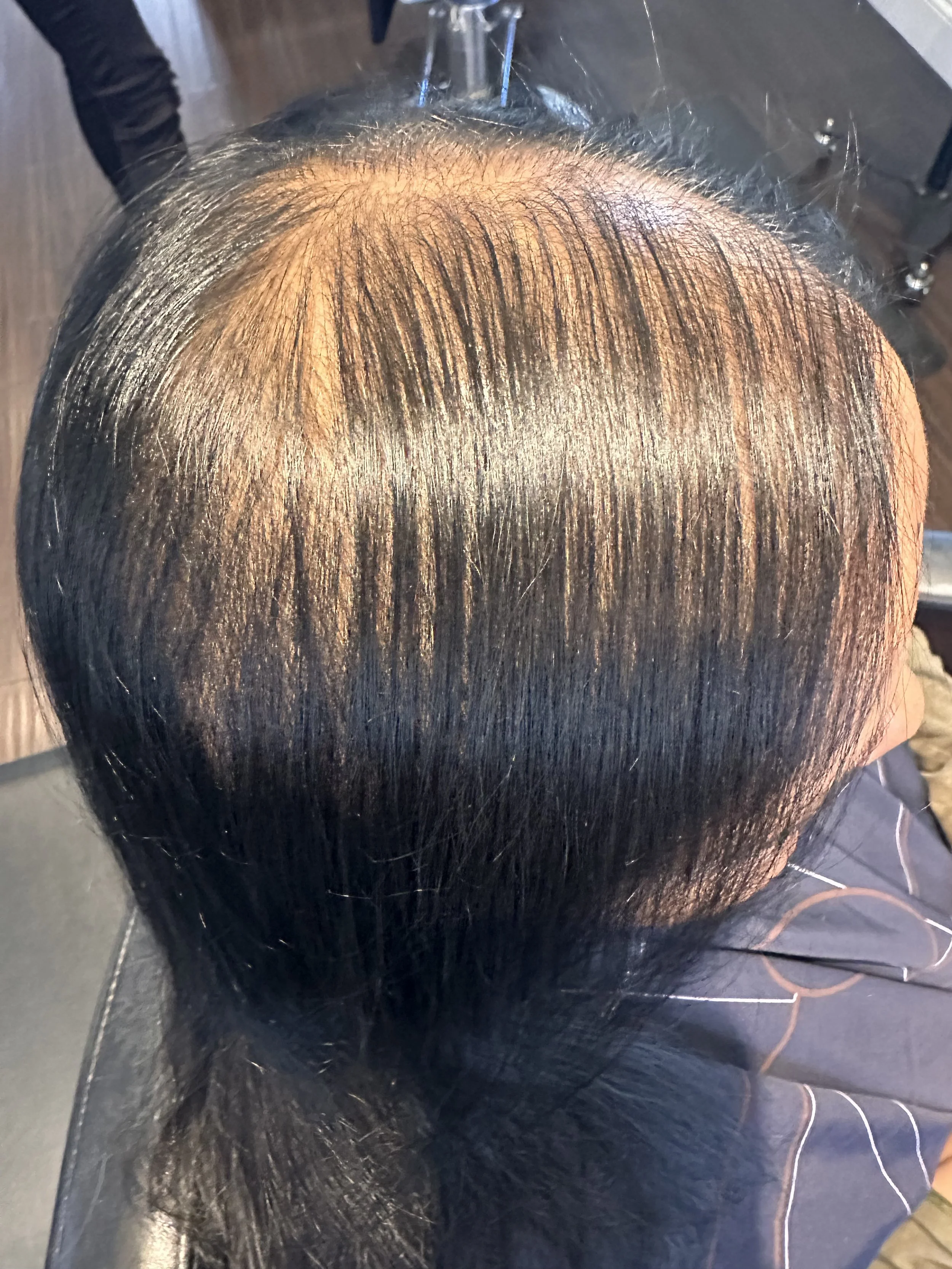
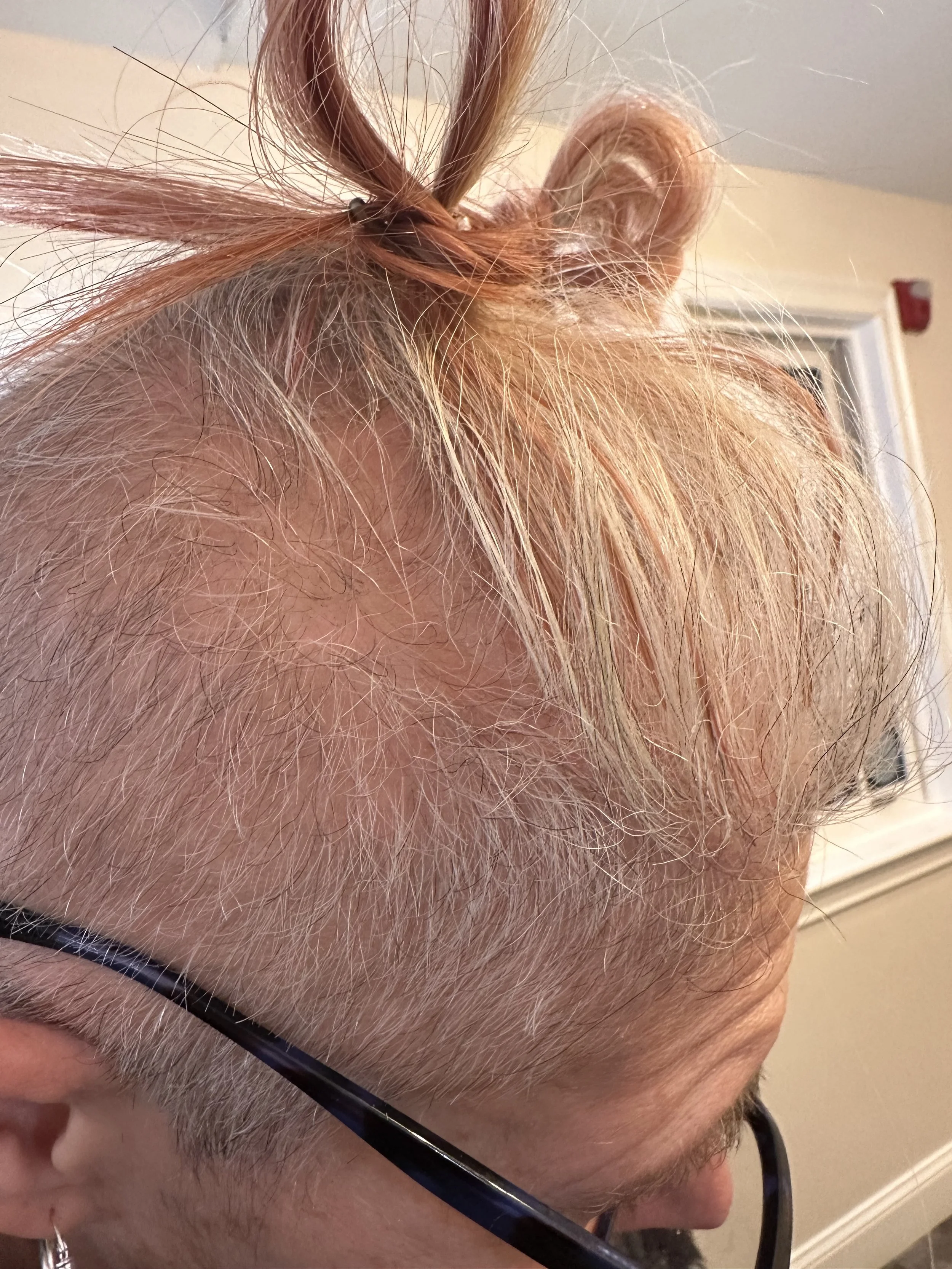
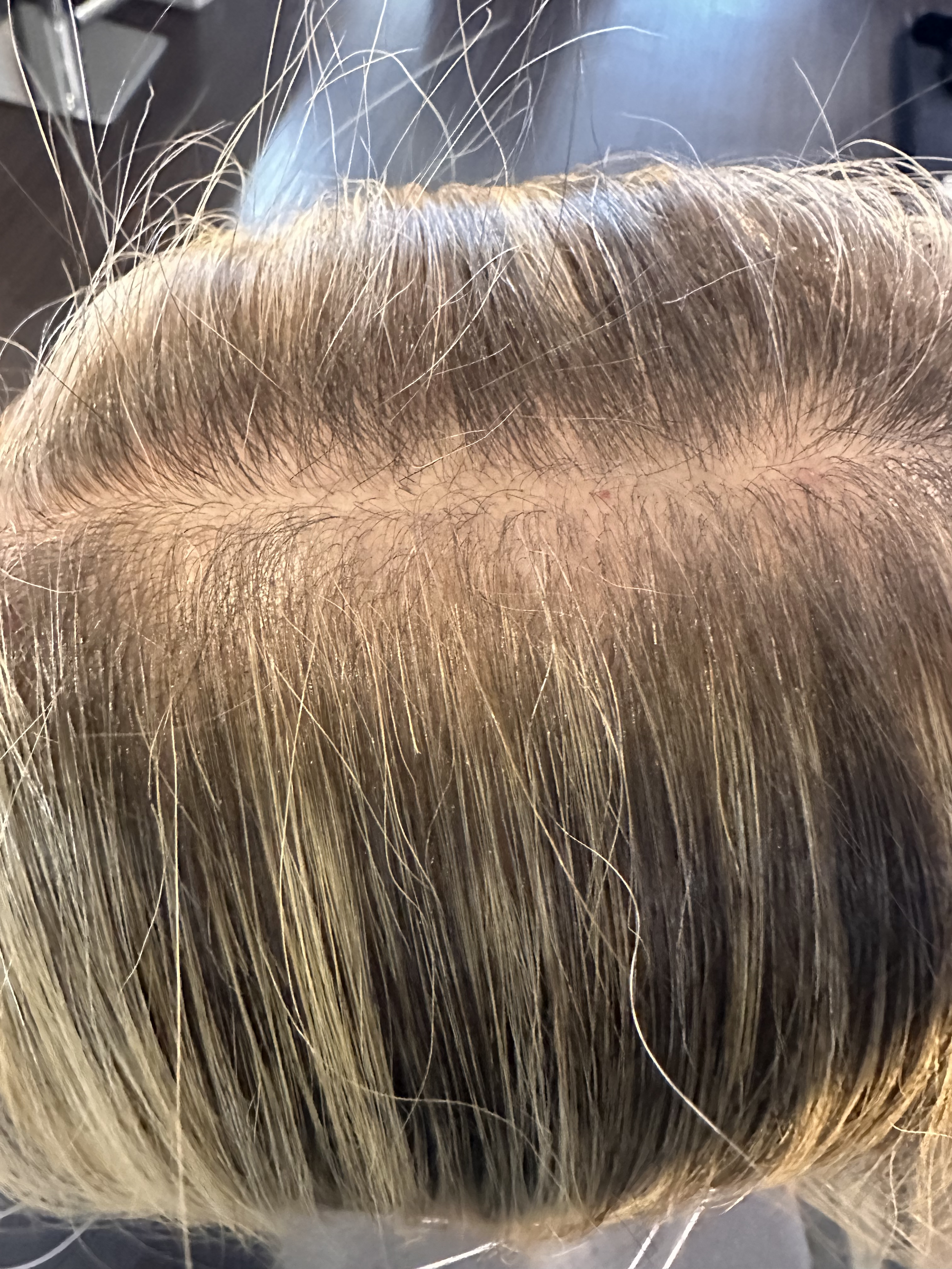
Seeing a little scalp is normal, especially when hair is wet or under harsh lighting. What matters is whether it's consistently more visible over time. Check your part in natural light before styling. If more scalp is showing than six months ago, miniaturization could be underway. This is a process where thick, healthy hairs gradually shrink into finer, softer strands that cover less. Your scalp can start peeking through even before any major shedding begins. Compare photos from one to two years ago, gradual shifts become very clear, very fast.
Increased hair on your brush or pillow
Finding 10 to 20 hairs on your pillow each morning? That's completely within the normal range. Shedding 50 to 100 hairs daily is part of a healthy growth cycle. It's the sustained, noticeable increase: clumps in the shower drain, excessive buildup on your brush, that signals something more. Try the 60-second comb test: before shampooing, comb your hair forward over a contrasting towel for one minute. Around ten hairs is typical. Anything significantly higher warrants attention.
Brittle or fragile strands
Quantity isn't the only clue. Texture matters too. Run your fingers through your hair and compare how it felt six months ago. Strands that feel thinner, less bouncy, or snap more easily are early signs of miniaturization at work. Breakage means less coverage, which means more scalp visibility before major shedding even begins. Don't wait for a dramatic change. This subtle shift is your earliest signal.
Your part line getting wider
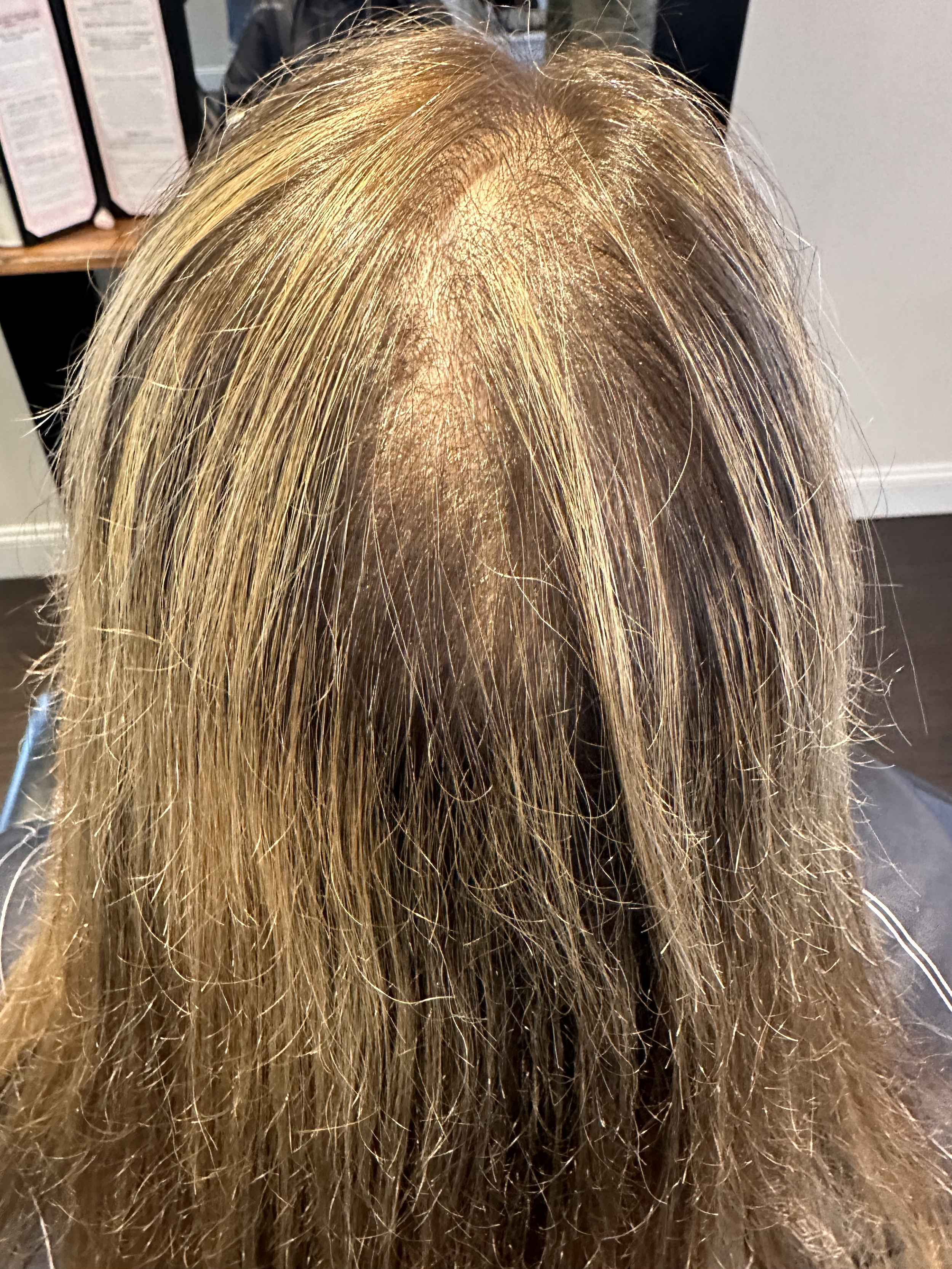
A widening part is one of the first visible signs of female pattern hair loss, affecting roughly 40 percent of women by age 50. And here's something most people don't realize: hair loss only becomes visually apparent once you've lost nearly 50 percent of density in that area. The widening often forms a "Christmas tree" shape, narrower at the front and gradually opening toward the back. Men tend to see hairline recession, while women notice this broadening at the part. Use a fine-tooth comb to track your parting spot weekly. It's a surprisingly reliable way to monitor density over time.
Understanding Why Your Hair Looks Thin
Spotted the signs? Good. Now it's time for the real insider knowledge, what's actually causing your hair to thin. And the answer isn't always as simple as one thing. It's often a mix of factors quietly working together.
Hormones and their impact on hair
Your hair follicles are extremely sensitive to hormonal shifts. Androgens, especially dihydrotestosterone (DHT), are the primary regulators of hair growth. DHT latches onto receptors in dermal papilla cells, and for those genetically prone, it causes follicles to shrink and produce finer, shorter strands over time. Women naturally produce small amounts of testosterone, but conditions like PCOS can raise those levels, thinning scalp hair and triggering unwanted facial growth.
Thyroid hormones matter too. Both an underactive and overactive thyroid disrupt the hair growth cycle. Diffuse thinning affects around 50 percent of people with hyperthyroidism and 33 percent with hypothyroidism. And estrogen? It extends the growth phase which is exactly why hair feels fuller during pregnancy and sheds heavily in the weeks after.
The role of stress in hair loss thinning
Stress does more damage than most people realize. Elevated cortisol pushes actively growing hairs into the resting phase far too early. Research shows stress hormones block dermal papilla cells from releasing GAS6, the molecule responsible for activating hair follicle stem cells. The result? Up to 70 percent of hairs can shift into the resting phase at once.
Here's the part that catches most people off guard: the shedding shows up two to three months after the stressful event. So that clump in your shower drain today? It could trace back to something that happened months ago. Physical stress from surgery, illness, or childbirth triggers the same response. Your body simply puts hair growth last when it's in survival mode.
Nutritional gaps affecting hair density
Hair follicles are among the most metabolically active cells in your entire body. They need fuel and specific fuel at that. Iron deficiency is the world's most widespread nutritional shortfall, and it hits premenopausal women especially hard due to monthly blood loss. Zinc is equally critical. A deficiency disrupts protein synthesis and cell division, leading to telogen effluvium and brittle strands.
Vitamin D plays a direct role in follicle cycling, and low levels are more common than you'd think. One important note though, more is not always better. Excess selenium, vitamin A, and vitamin E have actually been linked to increased hair loss. Supplementing smartly matters.
Genetic predisposition to thinning
Androgenetic alopecia affects close to 50 percent of men and women by age 50, making genetics one of the most significant players in this story. The condition comes down to follicles that are simply more sensitive to DHT. And contrary to the old belief, it doesn't just come from your mother's side. Genes from both parents are involved. Men typically see hairline recession and crown thinning, while women tend to notice a widening part and diffuse thinning across the top.
Environmental and lifestyle triggers
Your environment plays a bigger role than most people give it credit for. Pollution particles settle directly onto hair surfaces and can trigger follicle cell death. Urban areas consistently show higher rates of alopecia areata compared to rural regions. Smoking damages follicles through reduced blood flow, increased cellular ageing, and elevated androgen levels.
UV exposure creates oxidative damage to hair shafts and sets off inflammatory responses in the scalp. Even heavy metal exposure, thallium being one example, can cause noticeable shedding within just two to three weeks. Your daily environment is silently part of the equation.
Medical Causes of Thinning Hair You Should Know
Sometimes, it goes deeper than lifestyle. Certain medical conditions trigger hair loss thinning in ways that better nutrition or stress management simply can't fix alone. Knowing what's behind it? That's where real clarity begins.
Thyroid problems and autoimmune conditions
Both underactive and overactive thyroid conditions disrupt how your follicles function. Severe or prolonged hypothyroidism and hyperthyroidism cause diffuse hair loss across the entire scalp – not in patches, but uniformly sparse. Regrowth takes several months even after successful treatment. And it's not just your scalp. Thinning in the eyebrows, eyelashes, and other body areas often signals thyroid involvement too.
Autoimmune thyroid diseases, Hashimoto's thyroiditis and Graves' disease, carry even higher risk, as the immune system attacks both thyroid tissue and hair follicles simultaneously. This raises the likelihood of developing alopecia areata, which causes circular patches of complete hair loss. Lupus also affects approximately 50 percent of patients with hair loss at some point, showing up as diffuse shedding, patchy loss, or fragile "lupus hair" along the hairline. The good news: hair typically regrows once the underlying condition gets proper treatment, though it does require patience.
Postpartum hair loss
Over 90 percent of women experience postpartum shedding. It usually begins around three months after childbirth, peaking near the four-month mark. During pregnancy, elevated estrogen keeps your hair in an extended growth phase, giving you that full, lush look. Once estrogen drops sharply after delivery, those extra hairs enter the resting phase all at once before falling out.
Daily shedding during this period goes well beyond the usual 100 hairs. Women who breastfeed may notice it lasting longer, since hormonal shifts continue throughout lactation. Long-term breastfeeding and preterm labor are also linked to more pronounced shedding, pointing to estrogen's key regulatory role. For most women, things settle within six to twelve months, with normal fullness returning around their child's first birthday.
Menopause-related changes
Declining estrogen during menopause shortens the hair growth phase and slows regrowth. A 2022 study found that every single one of 200 participating women experienced menopausal hair loss. Lower estrogen affects both follicle health and sebum production, leaving strands drier, more brittle, and noticeably thinner. The changes tend to be gradual rather than patchy, with a widening part line and reduced volume being the most visible signs.
As estrogen declines, follicles shrink and produce finer strands. Lower sebum also shifts the hair's pH balance, causing cuticle cells to lift which explains that coarse, wiry texture so many women notice during this stage.
Medication side effects
Many common medications trigger telogen effluvium, with shedding typically appearing two to four months after starting treatment. Anticoagulants like warfarin and heparin, antidepressants, birth control pills, beta blockers, and cholesterol medications all carry this risk. Chemotherapy works differently, it causes anagen effluvium, destroying rapidly dividing hair cells alongside cancer cells, with hair loss often beginning within two weeks of starting treatment.
Antithyroid medications like methimazole and propylthiouracil also contribute to thinning, as do disease-modifying drugs for rheumatoid arthritis such as methotrexate and leflunomide, which slow hair growth directly. The reassuring part is medication-related hair loss usually reverses once treatment stops, though regrowth does take time.
At-Home Solutions for Thinning Hair
Good new! You don't need a salon appointment to start seeing a difference. The right products and a consistent routine can genuinely move the needle on thinning hair. Just remember, results take time. Stick with it!
Choosing the Right Shampoo and Conditioner
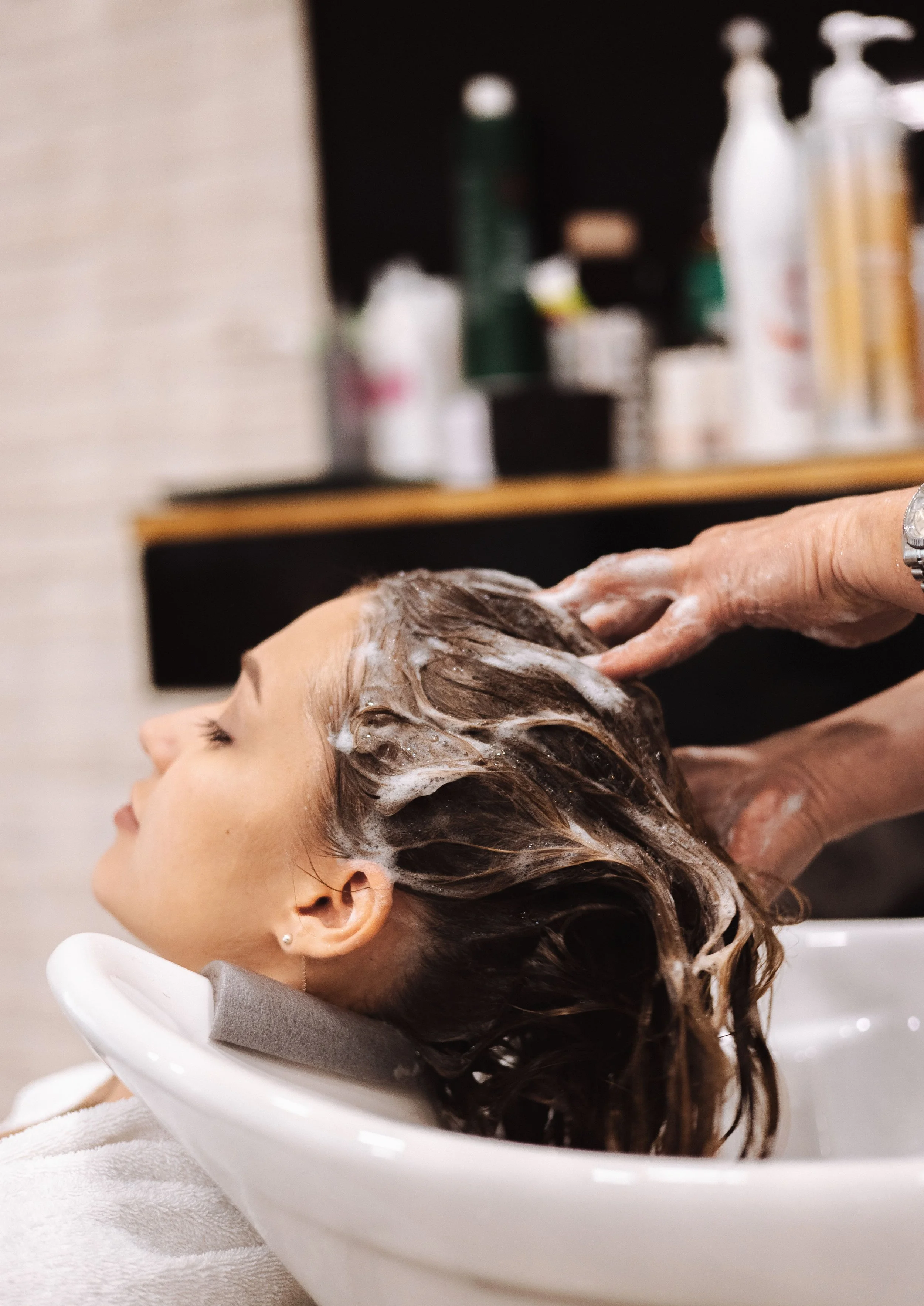
This is where it starts. Sulfate-free formulas protect your hair from losing its natural oils. Go for lightweight, pH-balanced options that won't drag fine strands down. Look for biotin to strengthen hair structure, keratin to repair damage, and panthenol to add volume without heaviness. If you're not dealing with dandruff, ketoconazole shampoos are still worth considering – they block DHT activity right at the scalp. Volumizing shampoos work by lightly drying the hair, giving strands that lifted, fuller look. Already dealing with dry hair? Skip volumizing altogether.
Here's the technique that matters, shampoo goes on your scalp conditioner goes mid-length to ends. Rinse with lukewarm water and pat dry, never rub. Ditch harsh sulfates, heavy silicones, parabens, and anything alcohol-based.
Hair Growth Serums and Topical Treatments
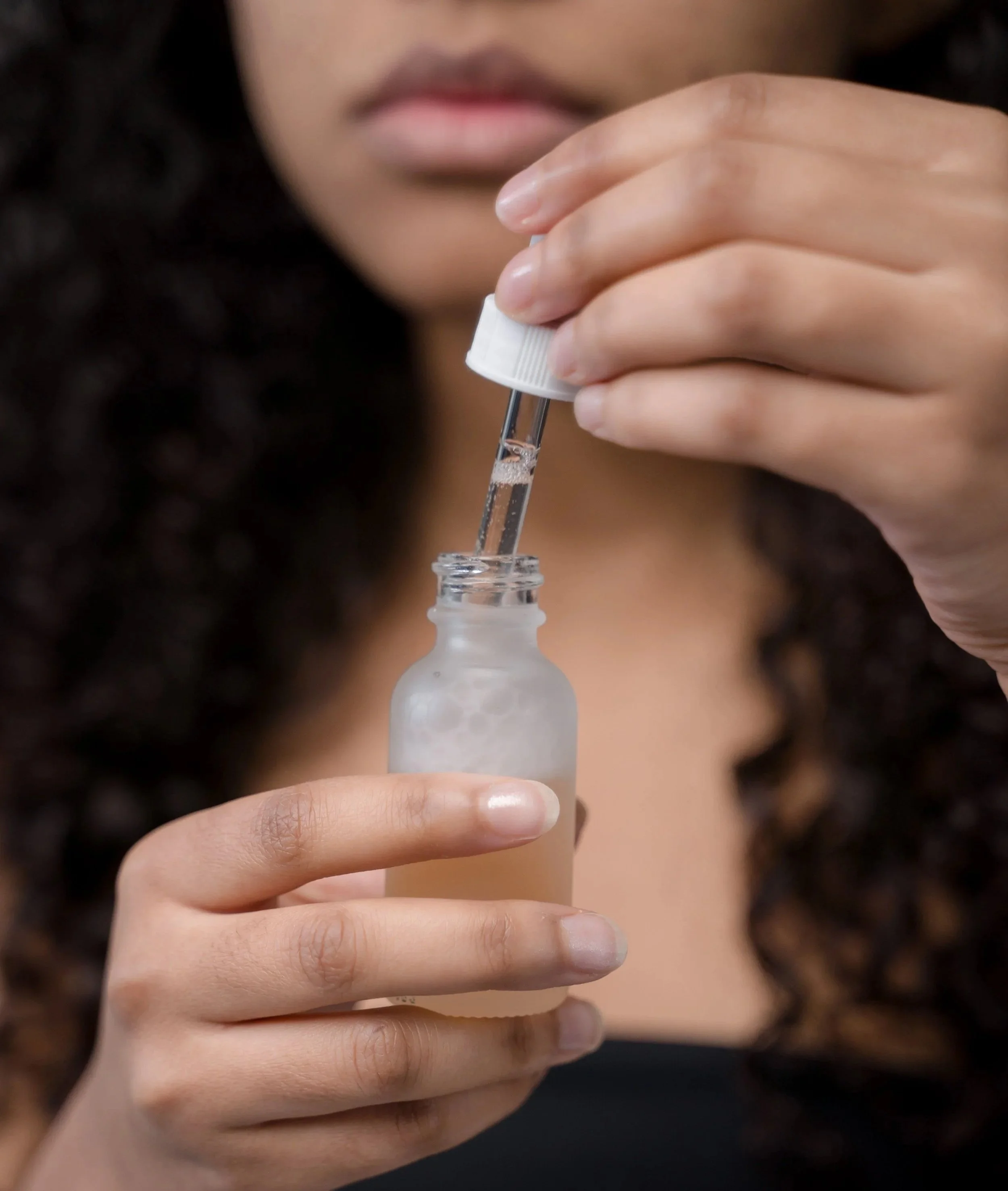
5% Minoxidil is your strongest over-the-counter option, with studies showing up to a 38% boost in hair density. The foam version is a favorite. It absorbs fast, no greasiness. One thing to know: stop using it and the regrowth goes with it. For a more budget-friendly pick, The Ordinary Multi-Peptide Serum comes in under $25 and combines peptides, caffeine, and zinc to support roots and improve scalp circulation. Apply to a clean scalp daily, massage gently for one to three minutes, and leave it in.
Supplements That Actually Work
Let's keep it simple. Only three nutrients have real clinical backing: iron, vitamin D, and vitamin C (which helps your body absorb iron). For optimal hair growth, ferritin levels should sit around 70 ng/mL. Most labs mark 15-30 ng/mL as normal, which simply isn't enough. Vitamin D deficiency is especially common in northern climates and for those spending most of their time indoors. Skip the high-dose biotin, it interferes with blood tests, including thyroid panels, and can cause dangerously misleading results. Nutrafol, Viviscal, and pumpkin seed oil have all shown real promise in clinical studies. One study found 400mg of pumpkin seed oil daily for 24 weeks delivered a 40% increase in hair count, compared to just 10% with a placebo.
Scalp Care and Massage Techniques
This one is a game changer. Daily scalp massage for five to ten minutes has been shown to visibly increase hair thickness. A 24-week study recorded thickness improving from 0.085mm to 0.092mm with consistent, standardized massage. Use your fingertips in small circular motions across the entire scalp. The mechanical pressure stimulates dermal papilla cells and wakes up follicles. Work it into your shampoo routine or grab a scalp massaging tool for an elevated experience.
Hairstyles That Add Volume
Your cut matters more than you think. Blunt cuts create a heavier, fuller appearance. Shoulder-length bobs are a classic choice for fine hair. Long layers with face-framing pieces add body and dimension. Curtain bangs are doing double duty, volume up front and coverage along the hairline. One style to avoid: tight ponytails, braids, and cornrows. These pull at the root and cause traction alopecia over time.
Professional Treatments and When to See a Doctor
At-home care only goes so far. When thinning hair keeps progressing despite your best efforts, professional treatments step in – and they deliver real, measurable results.
Prescription medications like minoxidil and finasteride
FINASTERIDE works by blocking the enzyme that converts testosterone to DHT, slowing hair loss in 86% of men and producing regrowth in 65%. One pill daily, and results show up after four months. Worth knowing, finasteride isn't recommended for women of childbearing age due to birth defect risks. Minoxidil, on the other hand, requires ongoing use. Stop taking it, and regrown hair falls out within three months. Patience is key here, results take six to twelve months to appear.
PRP therapy and laser treatments
PRP is the VIP treatment your follicles deserve. Your own blood platelets get injected directly into the scalp to stimulate growth. Sessions run from $400 to $1,500 each, with monthly treatments for three months, then every six months. Results do vary from person to person. Low-level laser therapy is another option. FDA-cleared since 2007 for men and 2011 for women. A 2013 study recorded a 39% hair growth increase over just sixteen weeks.
Hair transplants for severe cases
For significant thinning, transplants move hair from fuller areas to sparse ones. Costs range from $4,000 to $15,000, procedures run five to eight hours, and full results show up between ten to eighteen months later. A longer journey, but a lasting one.
Red flags that need immediate attention
Some signs go beyond gradual thinning. Sudden shedding, distinct bald patches, scalp redness, persistent itching, or burning sensations. These are your body asking for professional help NOW. Don't wait on these. Book that appointment and get the answers you need.
The Final Word
Millions of women deal with thinning hair and now you know exactly what to look for, why it happens, and what actually works. Hormonal shifts, stress, nutritional gaps, genetic factors, none of these have to stop you from having the hair you want.
Start with your at-home routine. The right shampoo, a targeted serum, and a daily scalp massage go a long way. No results after six months? Time to explore professional options like prescription treatments or PRP therapy. And if sudden shedding or scalp discomfort shows up see a doctor. Don't wait on that one.
You deserve great hair days. Track your progress, stay consistent, and give your hair the time it needs to respond. The glow-up is coming!