Hair Extension Techniques: How to Find Your Perfect Match in 2026
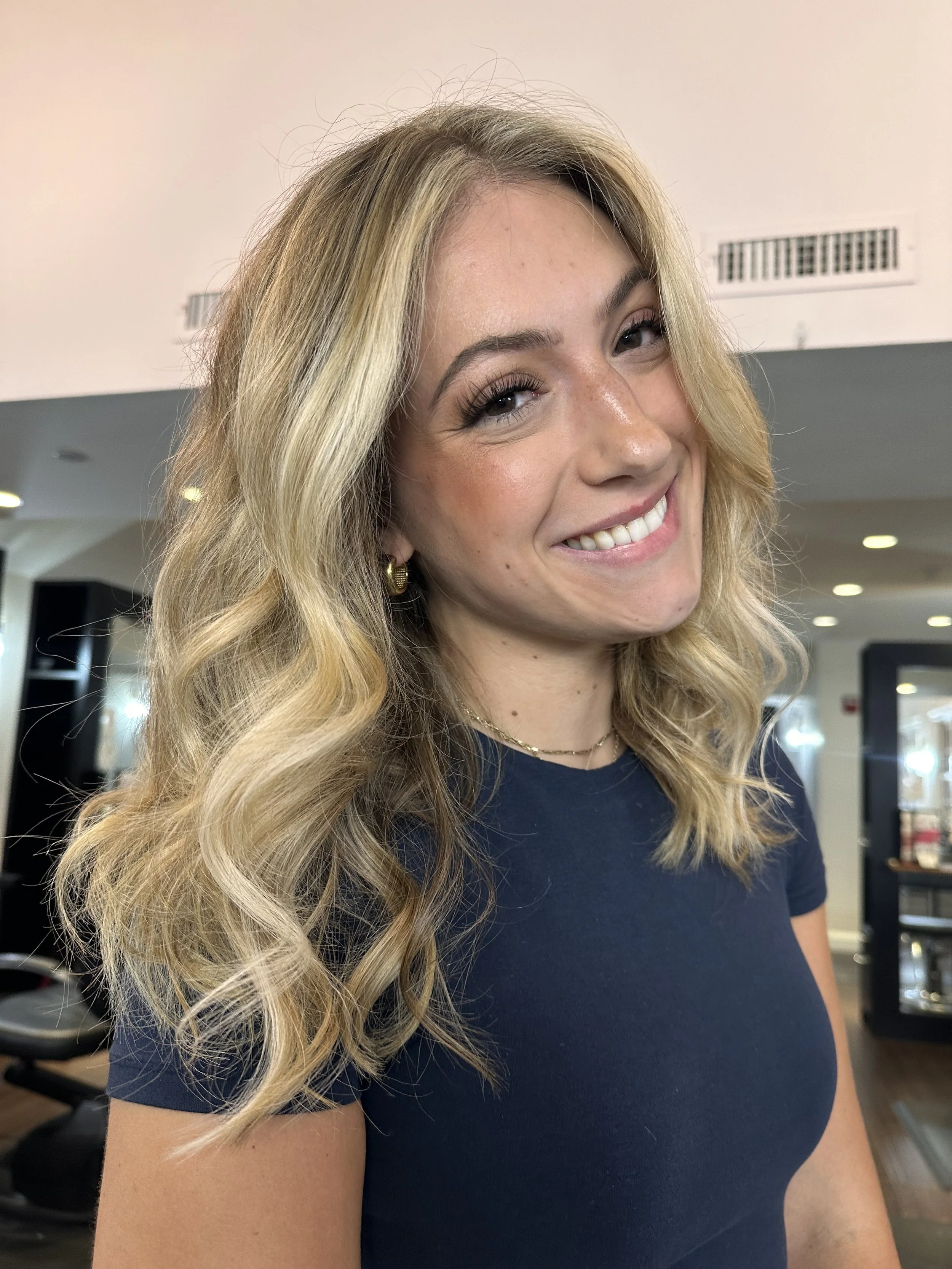
The right hair extension technique changes everything. More length. More volume. More you, every single day.
Whether you're chasing that dream look for a special occasion or craving a daily confidence upgrade, it all starts with knowing your options. Clip-ins deliver instant, no-commitment results] while [fusion bonds keep you flawless for months. Both have their moment and so does everything in between.
This guide covers all of it. The different hair extension techniques, the best hair extension method for your specific hair type, and exactly how to choose hair extensions that fit your lifestyle, your goals, and your vision of luxury.
Your PERFECT match is closer than you think.
Different Hair Extension Techniques Explained
What Are Hair Extensions
Hair extensions are strands of synthetic or natural human hair added to your own hair: more length, more volume, more thickness, or all three. But that's just the beginning. Extensions fill in thinning areas, add body to flat hair, offer a safe way to play with color, and create stunning looks for those big moments.
And in 2026? The game has completely changed.
Extensions are no longer a quick beauty fix. They're a long-term investment in hair health, confidence, and personalization. Today's clients are educated, intentional, and focused on sustainability, longevity, and results that look completely invisible.
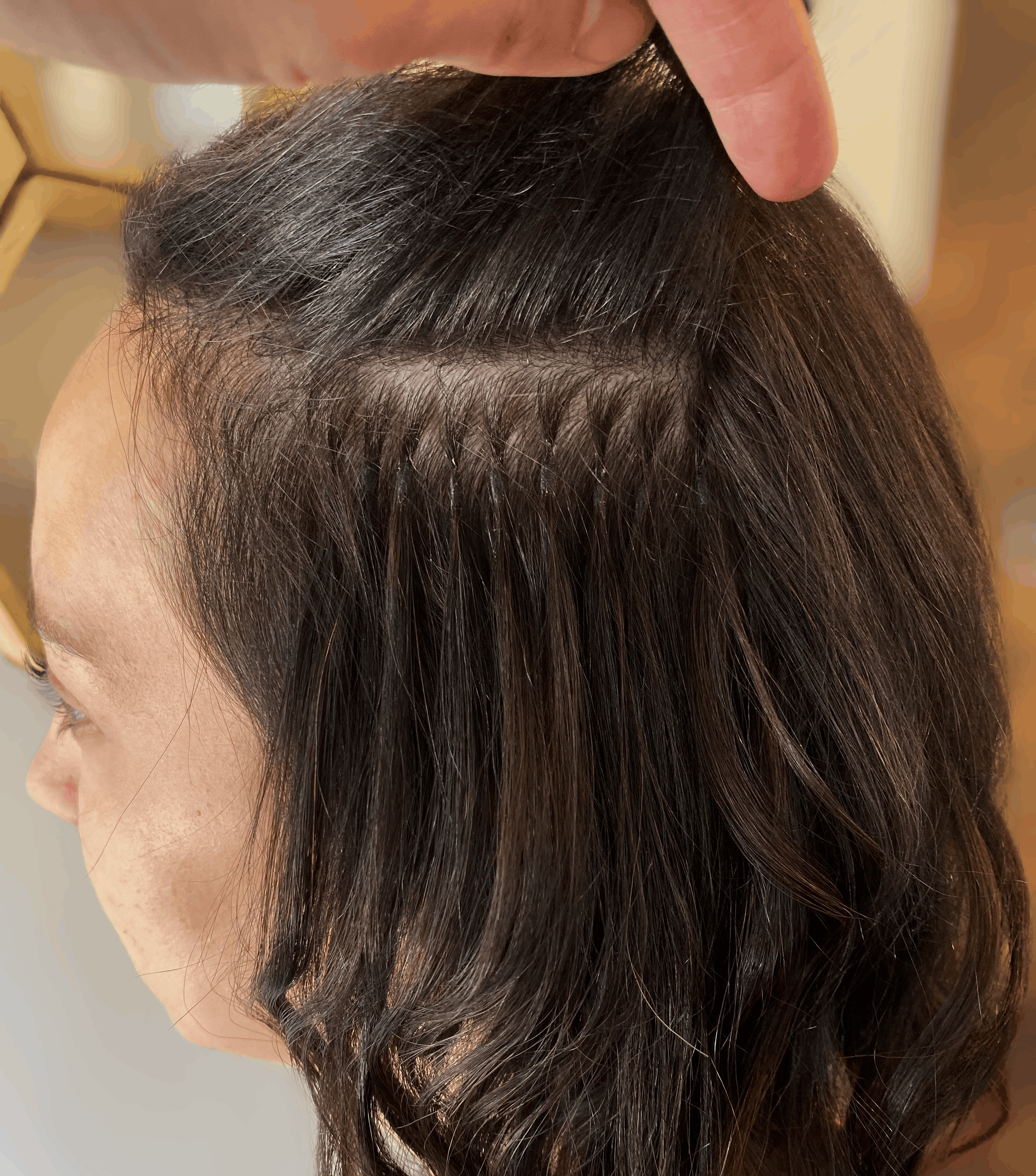
Invisible is the new standard. Attachment points are smaller, flatter, and more flexible than ever. Advanced keratin bonds and nano-sized systems are designed to move just like real hair, staying undetectable even at the root.
Customization is what separates great extensions from truly luxury ones. Pre-set shades and generic blends are out. Extensions tailored to your exact color, undertone, density, and texture are in, complete with custom coloring, glazing, and blending done specifically for you.
Professional vs. Ready-to-Wear Methods
Professional extensions are semi-permanent, installed by trained stylists, and stay put for weeks or even months. Think tape-ins, fusion bonds, micro-links, and sew-in weaves fitted once and fully integrated into your natural hair.
The biggest perk? Consistency. Fuller, longer hair the moment you wake up, every single day. Extensions are placed strategically to complement your haircut, density, and color matched to your texture, customized to your face shape and lifestyle. That's the professional difference.
Ready-to-wear extensions are a different story. Temporary, self-applied, and removable whenever you choose. Clip-ins and halo extensions fall into this category, delivering instant length and volume in minutes. Clip-ins are wefts attached to a fabric or silicone base with small pressure-sensitive clips. Snap them open, secure to your hair, snap them closed, done in 5 to 15 minutes.
The difference is simple. Clip-ins take effort every single wear. Permanent extensions take a scheduled salon visit. Ready-to-wear options are convenient, reusable, and easier on upfront cost but the results depend heavily on how well they're matched, fitted, and styled.
Heat-Based vs. Heat-Free Application
Some extension methods use heat some don't. Knowing the difference matters.
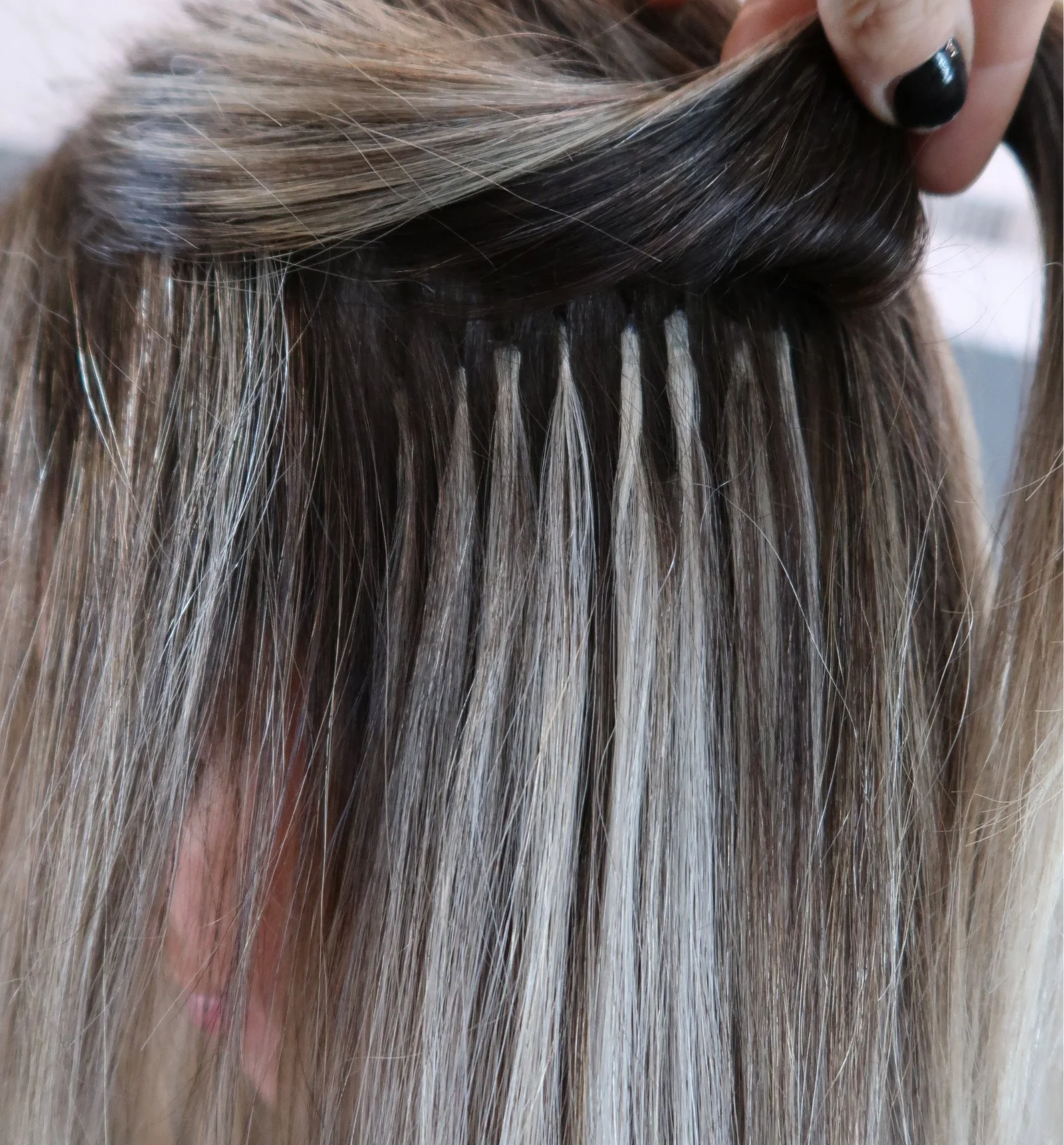
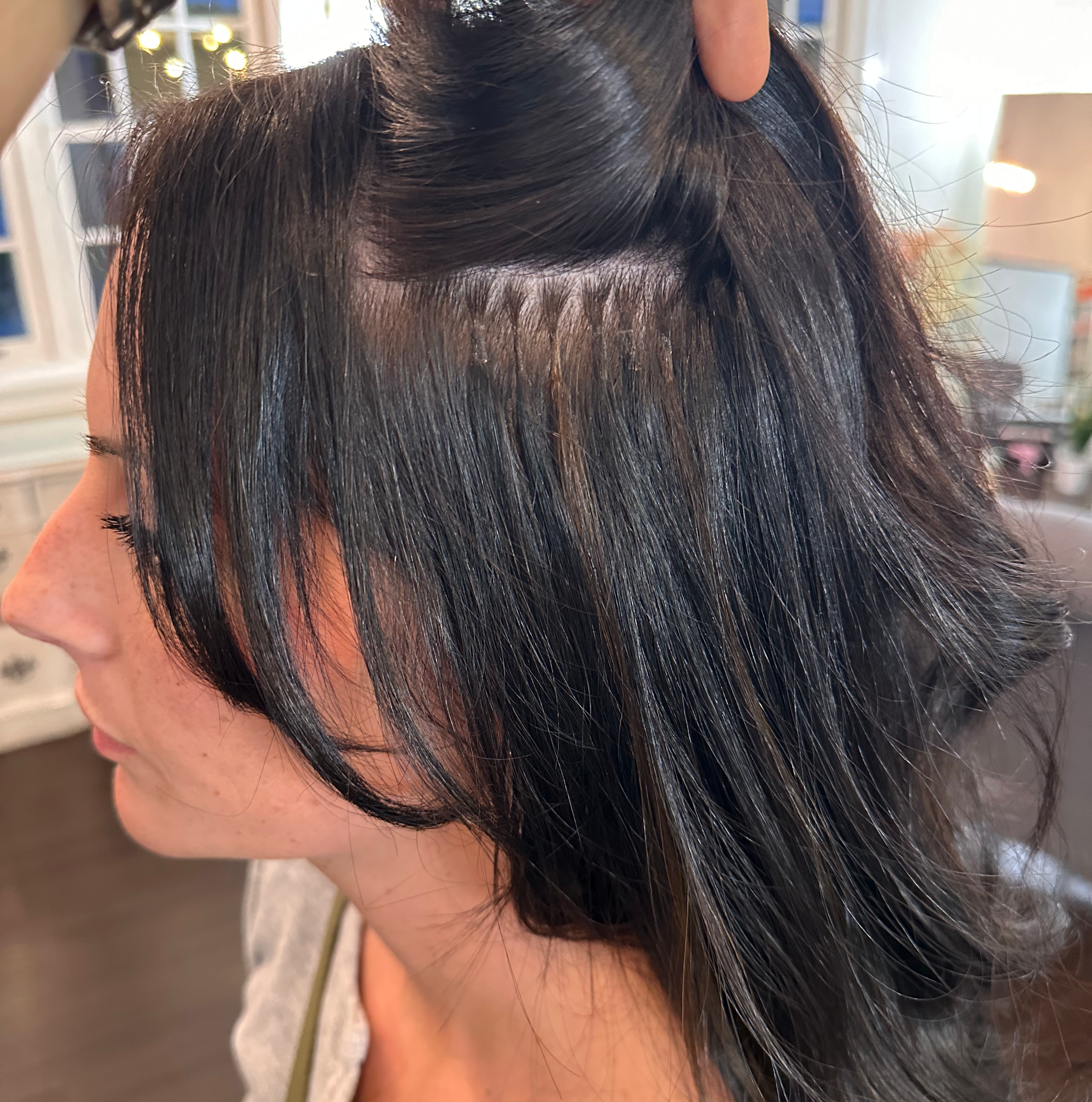
Heat-based methods use thermal tools during installation. Fusion extensions bond individual strands using keratin-based adhesive melted with a heat clamp. K-tip extensions follow the same principle, with heat activating the keratin bond at each attachment point.
Heat-free methods skip the hot tools entirely. Micro-links attach small wefts using tiny silicone-lined beads, clamped shut with pliers. Tape-ins, sew-ins, and beaded weft methods are also completely heat-free during installation. The gentlest permanent options? No glue, no heat, just even weight distribution across a secure foundation.
Then there's ice fusion, a cold fusion adhesive system that attaches strand by strand with zero heat, offering fully customized placement. More clients are gravitating toward systems that give them both discretion AND durability, without any unnecessary weight or stress on their hair.
The right method is out there. Now let's find the one that fits your hair.
Best Type of Hair Extensions for Fine Hair
Fine hair is delicate and it deserves to be treated that way.
The wrong extension method can concentrate weight on fragile strands leading to breakage, traction alopecia, and attachment points that are anything but invisible. Choosing the right technique here isn't just about style. It's about protecting what you already have.
Here's what actually works for fine hair and what to avoid.
Invisible Weave Technique
Want something that truly disappears into your hair? The invisible weft method delivers exactly that.
Ultra-thin and flexible, invisible wefts lie flat against the scalp and move with your hair rather than against it. Fine to medium hair types benefit most from this construction, no stiffness, no bulk, no evidence they're even there.
The Invisible Bead Method (IBM) elevates this further. Instead of continuous rows, hand-tied wefts are attached to individually placed beads, creating a flatter foundation that stays hidden when hair is parted or pulled back. IBM holds beautifully for six to eight weeks between appointments.
Halo Extensions for Delicate Hair
Sixty seconds. That's all it takes.
Halo extensions sit on a thin, transparent wire resting on the crown like an invisible headband. Place the wire, pull your natural hair over the top and you’re done. No clips. No bonds. No stress on individual strands.
The wire carries the weight, spreading tension evenly across the crown rather than pulling on specific sections. It's one of the gentlest options available for thin or delicate hair. Natural hair should be at least six to eight inches long to cover the wire properly. Keep in mind: halos add volume primarily at the back, so very thick hair may find blending a little trickier.
Best Hair Extension Method for Thick and Medium Hair
Thick and medium hair? You're in the best position of all. More density means more options: heavier wefts, denser attachments, and secure bonds that hold beautifully without stressing your strands.
Here's a closer look at the methods that work hardest for you.
Beaded Weft Extensions
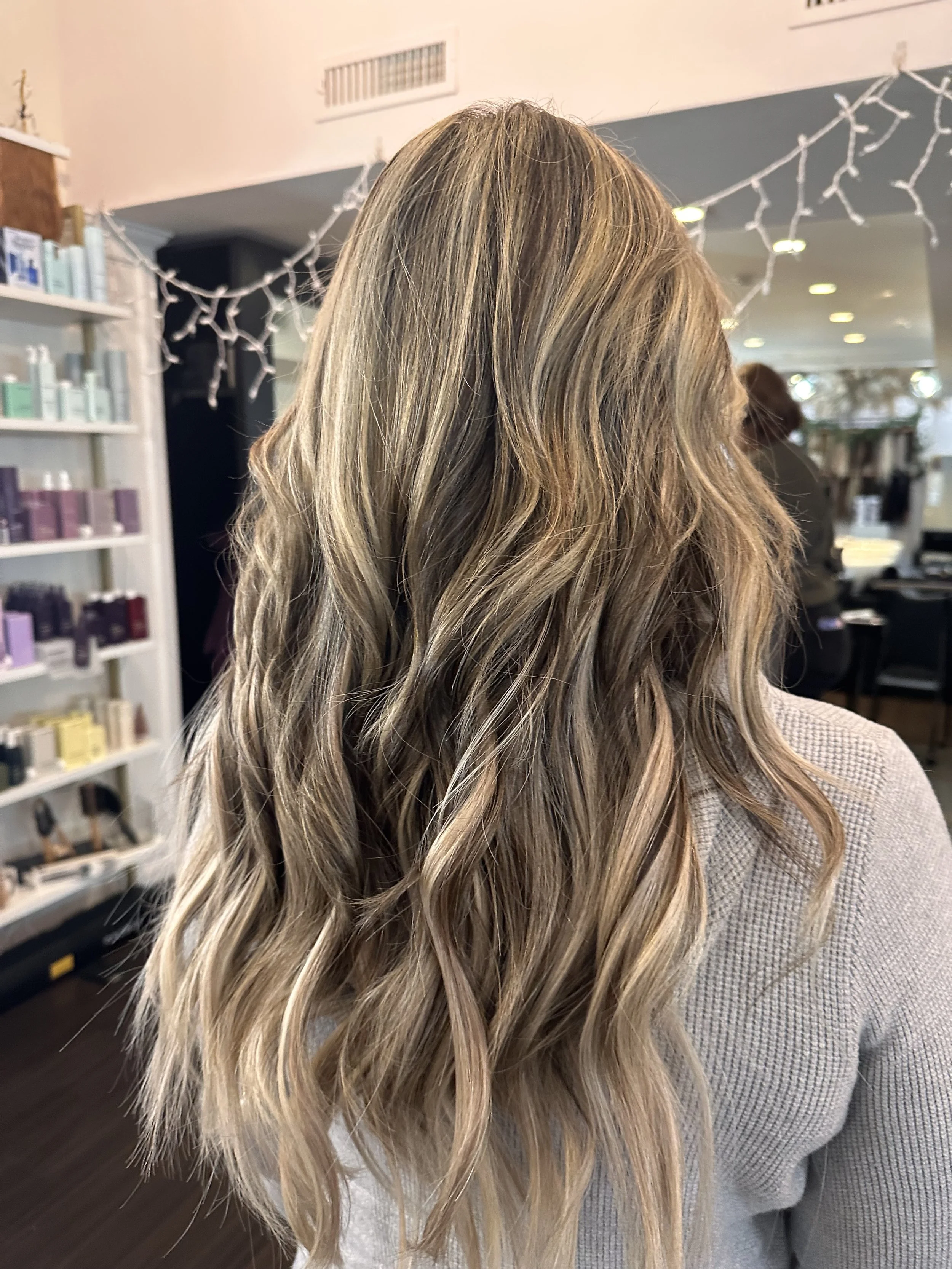
Beaded wefts are a crowd favorite. Your stylist threads your hair through small silicone-lined beads, lays the weft across, and clamps everything shut. No braids. No glue. No heat during installation.
This method truly shines on medium to thick hair since the beads need enough natural hair to grip securely. Installation runs 1 to 2 hours, and you'll enjoy 6 to 8 weeks of gorgeous wear before your next move-up appointment. The wefts themselves? They last 6 to 12 months with the right care leaving them completely reusable across multiple installs. That's luxury and value in one.
Traditional Sew-In Weaves
A classic for a reason. Sew-ins involve braiding your natural hair into cornrows and sewing wefts directly onto that foundation with no adhesives needed. The braided base distributes weight evenly across your scalp and keeps everything locked and secure through every activity.
Expect 2 to 4 hours in the chair, with results lasting 6 to 10 weeks before maintenance. Sew-ins are the go-to for thick, coarse, and textured hair types.
Tape-In Extensions
Speed meets seamless. Tape-ins use thin wefts with medical-grade adhesive that sandwich small sections of your natural hair, lying completely flat for results that are virtually undetectable. The full application? Done in 30 minutes to 1 hour.
After 6 to 8 weeks, they simply need repositioning and the hair is reusable with fresh tape each time. Tape-ins work across hair types but feel most at home on thin to medium density hair.
Fusion Bond Techniques
This is the gold standard of natural movement. Fusion extensions attach strand by strand using keratin protein bonds melted with a heat tool, each piece moves completely independently for results that feel like your own hair.
A full head requires 100 to 200 individual strands and takes 6 to 8 hours to perfect because real luxury is worth the time. Bonds last 4 to 6 months with proper care, and fusion is ideal for medium to thick hair with invisible attachment points that work with any style, any occasion.
Comparing Popular Extension Techniques: Pros, Cons, and Costs
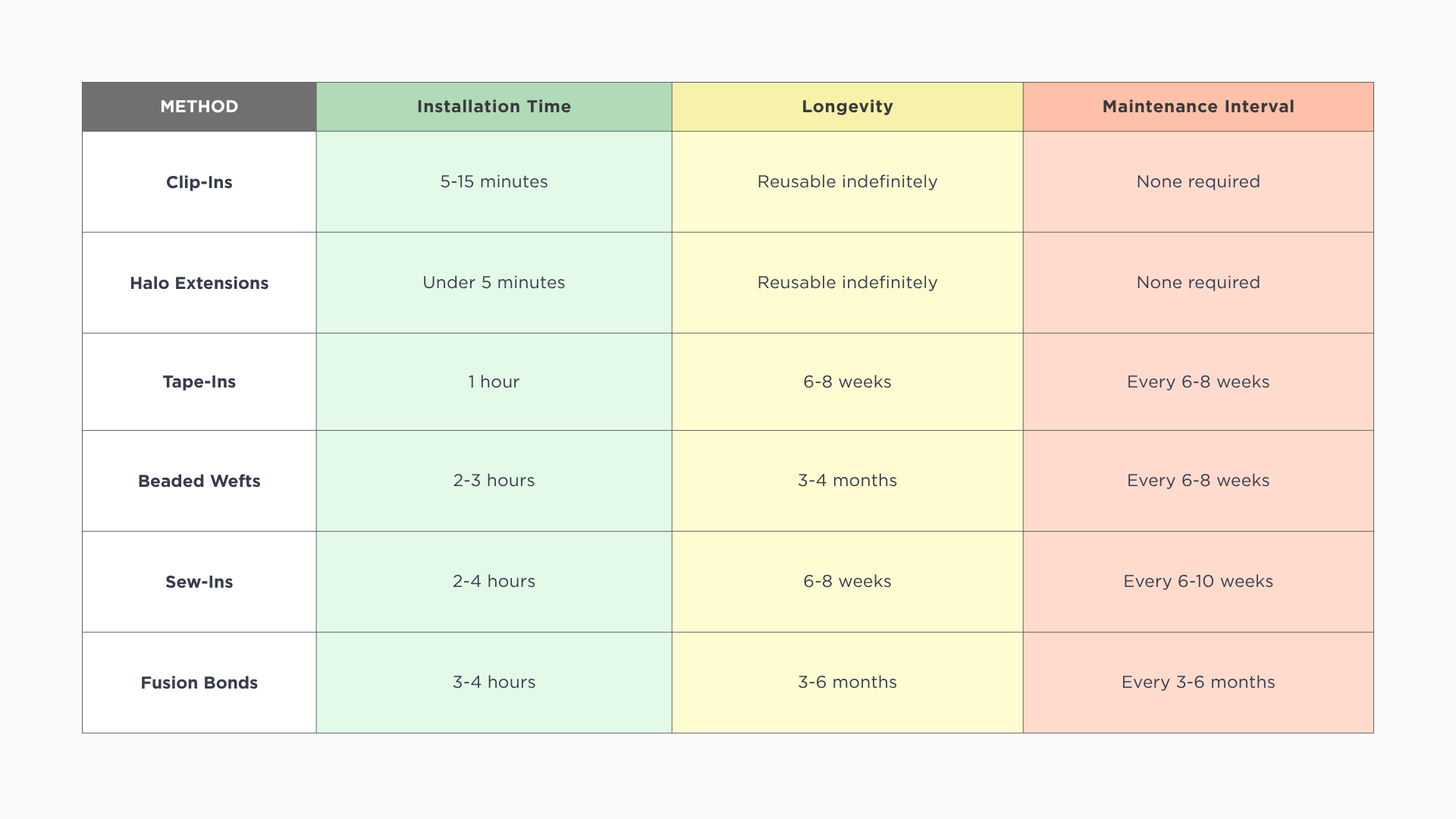
Side-by-side that's how you find your winner. Here's the real breakdown on installation time, longevity, cost, and long-term value for every major method.
Installation Time Comparison
Longevity and Maintenance Requirements
Your extensions are only as good as the upkeep behind them. Tape-ins need repositioning every 6 to 8 weeks as your natural hair grows the hair itself stays gorgeous for 9 to 12 months with proper reapplication. Sew-ins call for a maintenance visit every 6 to 10 weeks, and the weft hair holds strong for up to 12 months.
Fusion extensions? THE longest single wear period of any method 3 to 6 months before professional removal. Hand-tied extensions require move-up appointments every 6 to 10 weeks.
Reusability and Sustainability
Smart investments last. Tape-ins, hand-tied wefts, and micro-links are all reusable across multiple installations when cared for properly. Keratin tip extensions, on the other hand, lose their structural integrity at removal making reinstallation tricky. Redipping bonds only creates heavier, bulkier attachments that shed faster than the originals. Synthetic options get replaced monthly with little to no reuse, while quality human hair extensions deliver significantly longer wear with attentive maintenance. Choose quality once and let it work for you.
How to Choose Hair Extensions That Match Your Goals
Your goals matter. So does knowing exactly which method gets you there.
For Special Occasions vs. Daily Wear
Special event coming up? Clip-ins are your go-to. Attach them in minutes, remove them after, zero professional help needed. Perfect for weddings, formals, and celebrations. For multi-day events, tape-ins offer that semi-permanent hold that keeps you flawless the entire time.
Daily wear is a different story. You need extensions that survive washing, styling, sleeping, the whole routine. Hand-tied wefts and beaded rows give you that wake-up-and-go luxury, every single day..
Finding a Certified Extension Specialist
Not all stylists are extension specialists and the difference shows. That level of training means quality, precision, and results you can trust. Your specialist should deliver custom color matching AND placement tailored specifically to your face shape and lifestyle. Settle for nothing less!
From nano rings for fine hair to fusion bonds for thicker textures you now have everything you need to make the right call.
Your perfect match comes down to three things: your hair type, your lifestyle, and whether you want temporary glamour or full-time confidence. Find a certified specialist near you. Test your hair quality before committing. Ask ALL the questions during your consultation.
The best extensions feel invisible, look completely natural, and slot effortlessly into your everyday routine. That's not just a goal that's the standard.