
The Real Benefits of Hair Cut: Why Regular Trims Matter More Than You Think
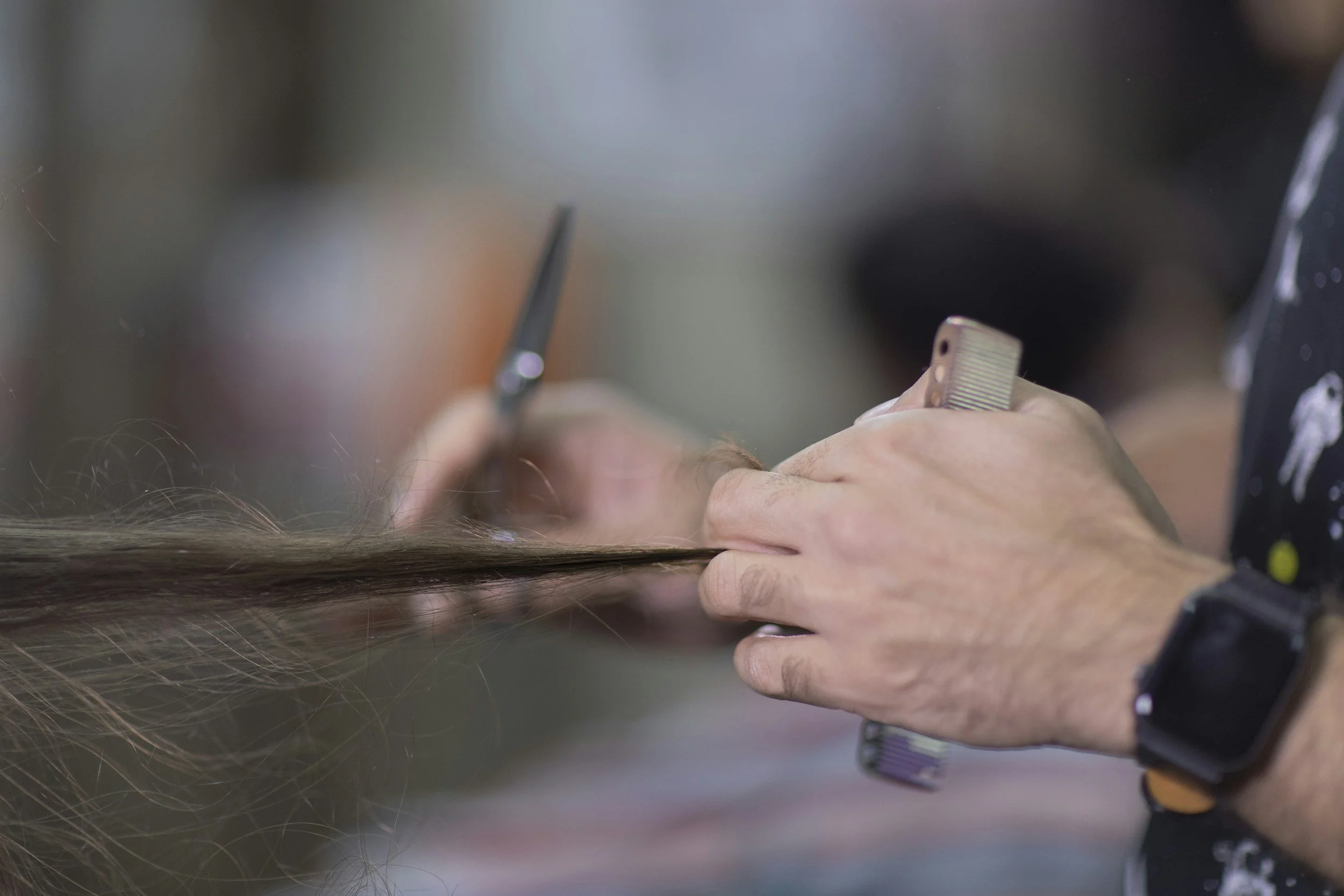
Your hair deserves better than split ends and guesswork. Regular trims are the secret to maintaining hair that looks and feels effortlessly healthyEach trim actively removes damaged ends before they travel further up the hair shaft, stopping breakage in its tracks and setting the stage for stronger growth. And the benefits of cutting hair don't stop there, your style stays manageable, your strands stay protected, and your daily hair routine becomes something you actually enjoy.
Here's what we're covering:
Why regular trims are a game changer for your hair health
The real-world impact on your everyday life
How often to cut your hair for your best results yet
Why Regular Trims Are Your Hair's Best Friend

Split ends are sneaky. They don't just stay at the tips. They travel up the hair shaft, creating a chain reaction of damage that weakens each strand from the inside out. Left unchecked, those compromised ends split further and further, causing breakage that works directly against the growth you're chasing.
The advantages of cutting hair run deeper than what you see on the surface. Each trim removes the oldest, most damaged parts of your strands before they get a chance to wreak havoc on the rest. Think of it as preventive care rather than damage control. Healthy hair naturally sheds around 100 to 150 strands a day, but damaged ends? They push that number higher through premature breakage.
Your scalp gets a serious win from regular trims too. Less weight and tension means less stress on your roots and fewer chances of those dreaded thin patches forming. Well-maintained hair also allows better airflow to the scalp, especially during warmer months, creating a cleaner, fresher environment where buildup and oil are far less likely to settle near your roots.
Stylists call it the "domino effect". One split end triggers another, then another, until the only option left is a major chop to save your length. Consistent trims are what keep that cycle from ever starting. The result? Hair that stays genuinely soft and strong, without leaning on heavy products to fake it.
The Real-World Impact on Your Daily Life
Think about what you could do with an extra hour each week. A well-executed, low-maintenance cut brings your styling time down to just 5 to 15 minutes. Well-maintained hair simply cooperates. It styles faster, holds better, and looks more intentional with far less effort.
And the payoff goes well beyond your bathroom mirror. A whopping 69% of professionals believe a polished hairstyle directly influences career opportunities. Your haircut is quietly communicating for you, signaling competence, attention to detail, and intentionality before you even say a word. Employees who invest in their professional appearance are 41% more likely to be considered for promotions and leadership opportunities.
Then there's the confidence shift and trust us, it's very real. When your hair looks deliberately styled rather than thrown together, you carry yourself differently. One stylist's client made the switch to consistent trims and went from touching up her hair every 3 to 4 days to rocking fresh-looking hair for two full weeks straight. Predictable results, simplified routines, and zero daily guesswork, that's the kind of VIP hair experience regular trims deliver.
How Often Should You Cut Your Hair for Best Results
One size does not fit all and your trim schedule is no exception. Your hair type is the real deciding factor here. Genetics, hormonal shifts, nutrition, and age all play a role, but the good news? Once you know your hair's rhythm, booking your next appointment becomes second nature.
SHORT styles and pixie cuts call for a trim every four to six weeks. Sharp, polished looks like the iconic Anna Wintour bob? That's a trim every three weeks to keep the shape looking intentional. These styles are high-impact and high-maintenance is part of the deal.
MEDIUM-length styles get a little more breathing room. Stretching appointments to every six to twelve weeks gives you flexibility without sacrificing the integrity of your cut. It's the sweet spot for low-effort, high-reward hair.
LONG or fine hair thrives on a trim every eight to nine weeks or roughly every two to three months. Fine strands are naturally more breakage-prone, so staying consistent keeps your ends looking full rather than wispy.
CURLY textures follow a similar eight to nine week rhythm. Curls hide damage well but don't let that fool you. The natural bends in curly hair make each strand more delicate and far more susceptible to damage than it appears.
Conclusion
Healthy, gorgeous hair isn't luck, it's a commitment. Stick to a trim schedule that works for your hair type and watch the difference unfold: stronger strands, effortless mornings, and a polished look that speaks for you before you even say a word.
The benefits of cutting hair regularly go well beyond aesthetics. This is your invitation to show up for your hair the way it deserves. Start with six to eight weeks between appointments, tune in to how your hair responds, and adjust from there. Your best hair days are just one trim away!