
Hair Myths You Still Believe Are Ruining Your Summer
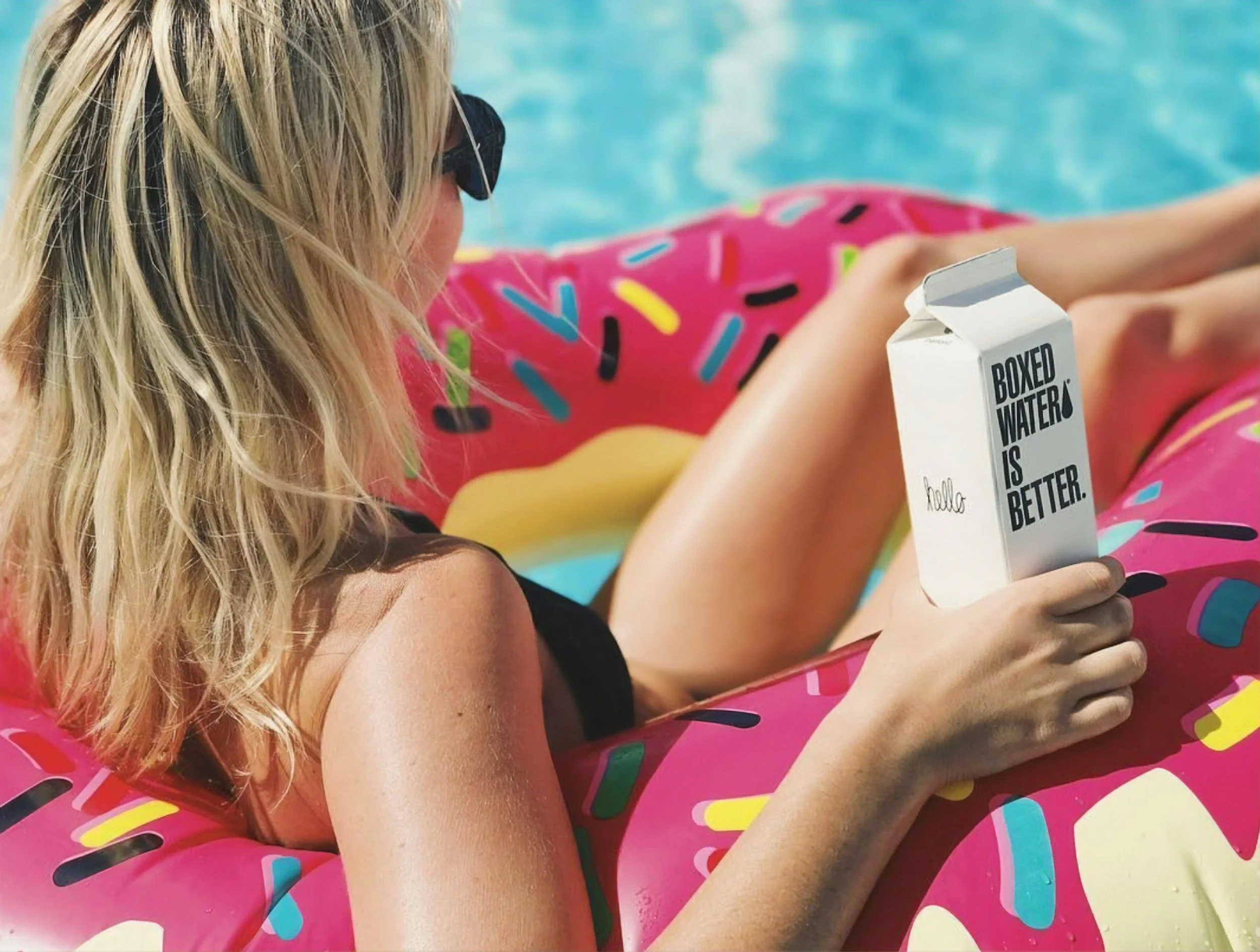
The hair myths we've believed for years are sabotaging our summer style. Daily shampooing and wet hair outdoors might be doing more harm than good. Washing your hair every day can strip natural oils and lead to dryness and brittleness. The American Academy of Dermatology reports that we lose between 50 and 100 hairs a day naturally, yet many shampoo myths convince us otherwise. We're here to separate hair myths vs facts and give you the scoop on summer hair care. We'll walk you through what protects your locks this season, from debunking the going outside with wet hair myth to revealing hair myth and facts about sun exposure.
Shampoo myths and cleansing facts for summer
One persistent hair myth claims you should never wash daily. Research tells a different story. Studies show those washing with higher frequency experienced less flaking, itch and dryness. As wash frequency increased, scalp sebum level, flaking amount, oxidized sebaceous lipids and scalp odor all decreased by a lot.
Summer changes the equation. Heat triggers your oil glands to secrete more oil onto the scalp while sweat glands become very active. This moist environment can cause the scalp's microbiome to become imbalanced. Natural yeasts on the scalp can become overactive and lead to conditions such as dandruff and seborrhoeic dermatitis.
The co-washing trend presents there's another shampoo myth. Conditioner-only washing may provide short-term softness, but it misses sweat, dead skin cells, sebum, hair product, dirt and atmospheric pollutants. Scalp buildup from co-washing can lead to contact dermatitis, products becoming less effective and itchy scalp. Experts recommend shampooing with a gentle sulfate-free shampoo every 7 to 10 days to prevent these issues.
The solution involves listening to your scalp rather than following rigid rules. Fine, straight hair transports oil quickly and needs daily or every-other-day washing. Curly and coily hair can extend to once or twice weekly.
Sun, heat, and styling myths destroying your hair
UV exposure breaks down keratin proteins in your hair shaft. Research shows flat irons and curling irons can damage 85% of your hair's keratin proteins. The belief that air drying protects your hair better than blow drying ignores environmental realities. Air drying subjects strands to 25-35°C environmental heat for 2-4 hours. Blow-drying exposes hair to heat for just 10-15 minutes. Prolonged wetness weakens the hair's protective barrier and makes it 30% more susceptible to breakage.
Temperature matters more than you think. Hair starts sustaining damage above 200°C/392°F and can melt at 220°C/428°F. Most styling tools reach between 175-200°C/347-392°F. Turn your heated styler to a lower setting first rather than starting with the high setting right away.
Chemical sunscreens create another hair myth. Avobenzone and octocrylene produce oxidative free radicals at the time they hit sunlight and contribute to the brassiness you're trying to prevent. Plant extracts absorb UV and neutralize free radicals without this oxidation problem. Black hair loses two-thirds less keratin than brown hair due to protective black eumelanin. Lighter hair contains phototoxic pheomelanin that increases UV damage.
Protective styles shield hair from environmental stressors, but tight braids trigger traction alopecia at the time tension persists.
Water exposure myths: ocean, pool, and rain
Saltwater doesn't just give you beachy waves. Salt draws water from your hair shaft and leaves it stiff, dry and prone to tangles and breakage. Those salt crystals act like tiny magnifying glasses under the sun and increase UV damage while fading your color. Beach wind tangles strands and roughens cuticles. This worsens frizz as the cuticles swell and lift.
Chlorine presents a different problem. It strips natural oils from your scalp and hair and leaves strands unprotected. Hair weakens, dries out, breaks and splits without this moisture. The green tint some swimmers notice isn't chlorine alone. Metals like copper and iron oxidize once chlorine hits the water, and porous hair absorbs these oxidized metals.
The going outside with wet hair myth deserves clarity. Wet hair won't give you a cold since viruses cause illness, not temperature or dampness. Cold weather affects wet hair differently though. Water inside the hair can freeze in very cold temperatures and put stress on the hair shaft. This increases breakage risk.
Pre-soaking hair with fresh water before swimming minimizes chlorine absorption. Hair acts like a sponge. Saturating it first reduces how much pool water it takes in. Rinse immediately after swimming, then apply a leave-in conditioner. Natural oils like coconut oil create a protective barrier against both chlorine and saltwater.
Conclusion
Summer hair care doesn't have to feel complicated once you separate myths from reality. The key lies in understanding your specific hair type and adjusting your routine therefore. Daily shampooing isn't bad for everyone, and saltwater won't help your styling. Wet hair won't cause colds, but it can lead to breakage in extreme cold. Listen to your scalp and protect your strands from UV damage. Pre-soak before swimming. These science-backed steps will keep your hair healthy all season long.