
12 Proven Tips on How to Make Makeup Last All Day in Summer Heat
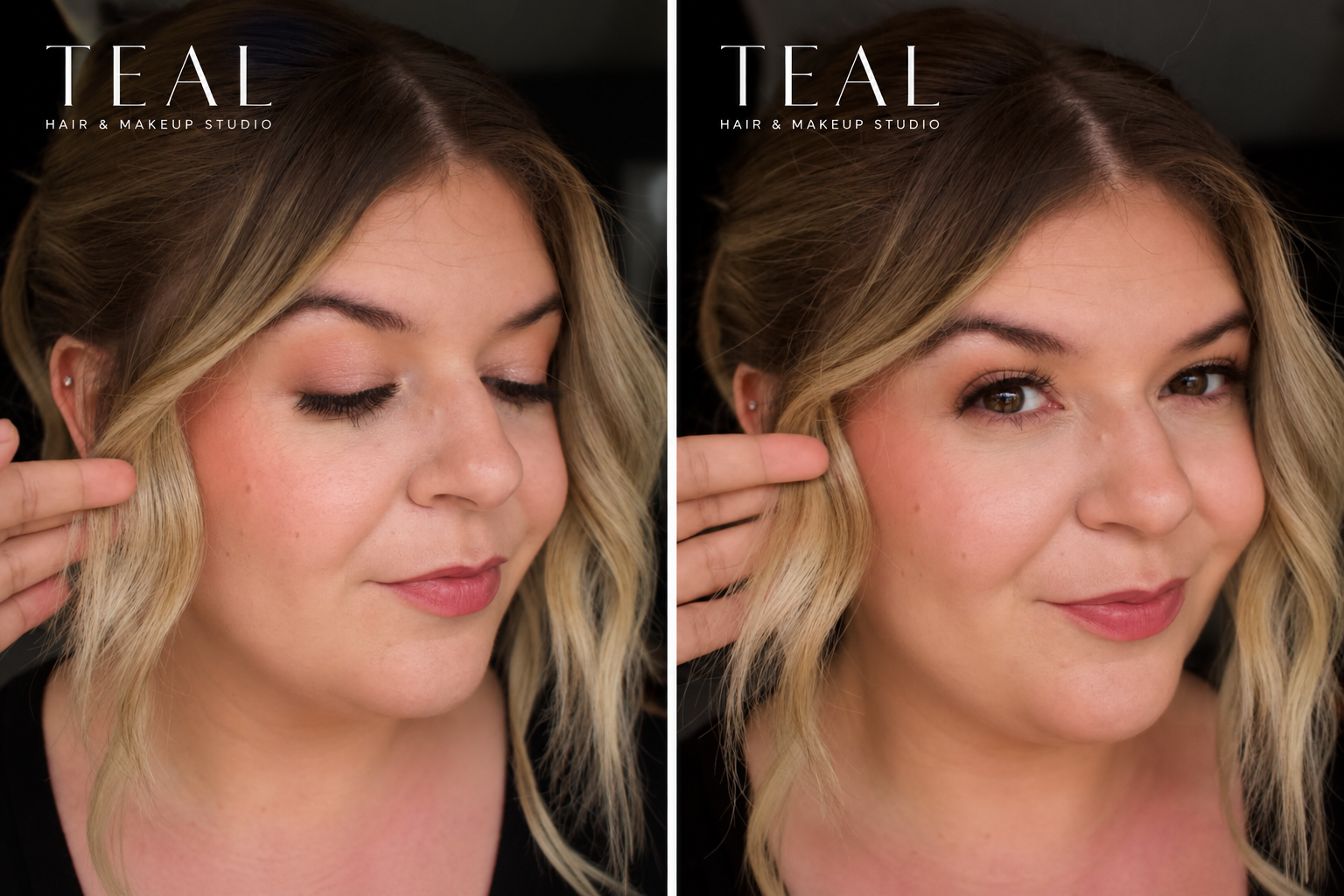
Summer offers unique challenges when it comes to makeup and getting it to last. We’re here to offer you the tips and tricks to help with your application
Why Clean Skin Matters for Long Lasting Makeup
Think of your skin as a canvas. A dirty canvas ruins even the finest paint. Without proper cleansing, foundation and concealer start slipping within hours therefore sitting on an oily, textured surface instead of fresh, clean skin.
Summer makes this even trickier. Heat accelerates sweat, dirt, and grime buildup on your skin. Add outdoor exposure to toxins and pollutants, and your long lasting makeup products simply have nothing clean to grip onto.
Best Cleansing Methods for Summer
Match your cleanser to your skin type. Oily skin? Reach for oil-free, non-comedogenic formulas with salicylic acid or glycolic acid. Dry skin thrives with hydrating ingredients like hyaluronic acid.
Heavy makeup wearers will love double cleansing. An oil cleanser or cleansing balm breaks down makeup and sunscreen first, then a gentle face wash sweeps away remaining debris.
Follow up with a toner. This balances your skin's pH and primes every product that comes after for better absorption. Stick to alcohol-free formulas that purify without stripping. An oil-removing toner paired with an oil-free moisturizer keeps shine in check.
Timing Your Skincare Routine
Here's a tip the pros swear by – wait at least 5-10 minutes after sunscreen before reaching for your primer. Products need time to fully sink in. Rush this step and even the best prep work won't hold.
Pro tip: Know your product bases. You’ve got water based products & silicone based products. Mixing the two will cause pilling. Now a days theres powder sunscreens that look like a makeup compact which are perfect for layering on after makeup and absorbing oil.
Why Heavy Creams Don't Work in Heat
Your winter moisturizer? It has no place in your summer routine. The formula that kept your skin soft through colder months may sabotage your long lasting makeup products once the heat kicks in. Choosing the right moisturizer is one of the most underrated secrets to how to make makeup last all day in summer. Rich creams and summer heat are a bad combination. Heavy moisturizers contain thick occlusive ingredients like petrolatum that lock hydration into the skin. Those same occlusives trap heat against your skin, triggering excessive sweating and discomfort.
The signs are hard to miss. Persistent greasiness, frequent breakouts, that suffocated sticky feeling after application, and makeup that slides right off. A shiny T-zone returning within the hour. Sound familiar? These are all signs your moisturizer is working against you, not for you.
Best Moisturizer Types for Hot Weather
The difference comes down to humectants vs. occlusives. Lightweight formulas are packed with humectants that draw water to your skin, while heavy creams rely on occlusives that sit on top and seal everything in (including heat).
Gel-based and water-based formulas are your summer best friends. They absorb almost instantly and leave zero greasy residue behind. Look for glycerin, hyaluronic acid (a powerhouse that holds up to 1000 times its weight in water), aloe vera, and ceramides on the ingredient list.
Step away from shea butter, petrolatum, lanolin, heavy mineral oil, and cocoa butter during the day. These create a slippery, heat-trapping base that gives hot weather makeup absolutely nowhere to grip. Oil-free and non-comedogenic formulas keep pores clear and skin balanced.
How to Let Skincare Absorb Properly
Patience here is everything. Wait five to thirty minutes before reaching for your makeup. Lightweight formulas need less time, richer ones need more. Apply moisturizer while skin is still slightly damp for maximum absorption and that soft, smooth finish.
And if you think skipping moisturizer will fix oiliness? Think again. Dehydrated skin overproduces oil to compensate. The goal isn't removing moisture from your routine, it's choosing the right formula to get makeup to last all day.
Always Apply Primer for Maximum Grip
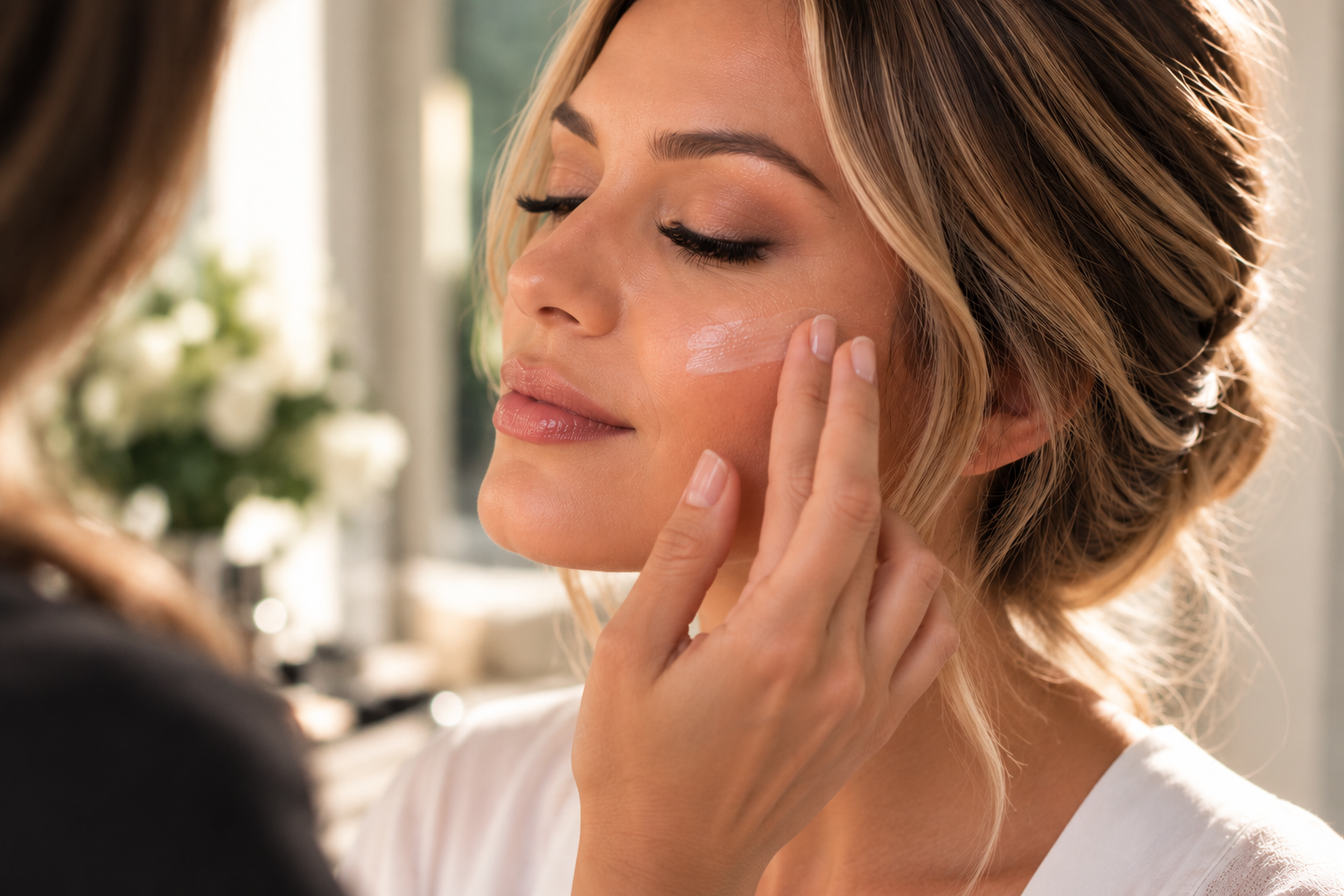
Primer is the secret the pros never skip. Without it, your foundation sits directly on moisturizer and natural oils and slides right off within hours. Think of primer as your makeup's anchor. It creates a gripping base that keeps everything locked in place, no matter what summer throws at you.
The right primer blurs and smooths your skin, giving foundation and concealer a flawless surface to glide onto. Heat is far less likely to break down your base when primer is part of the equation. Some primers even come loaded with SPF 30 delivering moisture, broad-spectrum sun protection, and zero greasiness. That's a triple win.
Best Primer Types for Different Skin Types
Oily and combination skin? Reach for oil-free, mattifying primers packed with kaolin, white charcoal, silica, or clay. Water-based formulas with hyaluronic acid, vitamins B and C, and squalane are equally brilliant for keeping shine under control.
Dry and mature skin? Gel-based or hydrating primers are your match. Hyaluronic acid and vegan collagen work together to plump and hydrate for a youthful-looking finish. Water-based serum primers with glycerin, benzoic acid, and vitamin A prevent foundation from clinging to dry patches.
Combination skin calls for a dual approach – mattifying primer on the T-zone, hydrating primer everywhere else. Silicone-based primers are particularly effective here, minimizing oil and perspiration while smoothing pores for humid weather.
What Makes Makeup Long-Wear
Long-wear foundation holds its ground for hours. Some formulas promise 16 hours of wear, while others go all the way up to 30. The secret? It all comes down to the formula itself.
These foundations carry lower oil content, which stops pigment from fading mid-wear. Many formulas also pack in oil-absorbing micro-powders or clay to keep your skin's natural oils from interfering. Film-forming ingredients then create thin, even layers that lock pigments firmly in place, acting as stabilizers, binders, and feel modifiers for flexible yet durable wear. Polymer blends push longevity even further, taking some formulas to 12, 16, or 30+ hours. Pros know that pairing durable formulas with strategic layering rather than relying on one product alone is what truly makes the difference.
Best Foundation Formulas for Humid Weather
Oily or combination skin? Matte, oil-controlling formulas are your match for heat and humidity. Normal to dry skin calls for radiant formulas that deliver durability without clinging to texture. Full-glam coverage looks? Reach for high-coverage formulas built to smooth and hold structure all day.
Any product labeled 'long wear' has been panel-tested to back up that claim. Always trial a new formula before a big event, see how the pigment wears on your complexion throughout the day.
Product Features to Look For
Water-resistant and sweat-resistant claims on the packaging? Those are your green flags. Breathable formulas with skincare-grade ingredients are ideal for hot climates. Long-wear foundation suits most skin types just fine – for dry skin, look for hydrating ingredients, and for breakout-prone skin, go oil-free. Simple wins here!
Why Thin Layers Last Longer
More foundation does NOT mean more staying power, especially in summer. Heavy layers crack, melt, and slide right off the moment heat and humidity hit. Less is so much more.
Thin layers of foundation actually bond with your skin. One thick layer? It just sits on top and heat breaks it down fast, leaving you with patchy, separated makeup within hours.
Two to three thin layers let you build coverage gradually while assessing exactly how much product you need. Each layer grips better both to your skin and the layer beneath it. Buildable coverage gives you a natural, weightless finish you can adjust as you go.
Why Setting Powder Works in Heat
All that prep work? Setting powder is what seals it. This fine, translucent product absorbs excess oil and holds your makeup exactly where it belongs. Think of setting powder as your makeup's bodyguard. Once it's on, it absorbs oil throughout the day, minimizes pores, and blurs imperfections for a complexion that looks effortlessly polished. The best part? You can reapply it multiple times during hot days.
It doesn't stop at oil control either. Setting powder extends your makeup's life, gives skin a soft-focus finish, enhances coverage, and creates that beautifully diffused look.
Why Waterproof Formulas Matter
Waterproof makeup repels water completely, making it the ideal choice for extended wear in humid or wet conditions and during physical activities. Water-resistant makeup holds up against moderate moisture but offers a lower level of protection overall. For full summer coverage waterproof is the only way to go.
How Setting Spray Creates a Protective Barrier
Your setting spray is a non negotiable. It builds a flexible, breathable film right over your makeup. Film-forming polymers like hydrolyzed corn starch dissolve into the formula, then create a continuous protective layer as the mist evaporates, locking pigments down and making everything rub-off resistant. The result? An invisible shield that keeps sliding, fading, and melting completely at bay. Top-performing formulas keep your look fresh for up to 18 hours, with others adding 12 extra hours of wear.
Why Blotting Works Better
Midday shine is not a makeup failure, it's just your skin doing its thing. The real mistake? Reaching straight for more powder. That move creates cakey buildup fast, and nobody wants that!
Remove the oil, don't cover it. Blotting papers absorb sebum straight from your skin's surface without disturbing your base. Powder piled over oil just lumps up into a mucky mess. All you're doing is masking the problem while adding texture issues on top. Blotting papers reset shine while keeping your makeup perfectly intact.
When to Touch Up with Powder
Always blot FIRST, then assess. Honestly, blotting alone often does the full job. Only if shine bounces back quickly should you dust a thin layer of powder on specific zones. Less is always more here.